












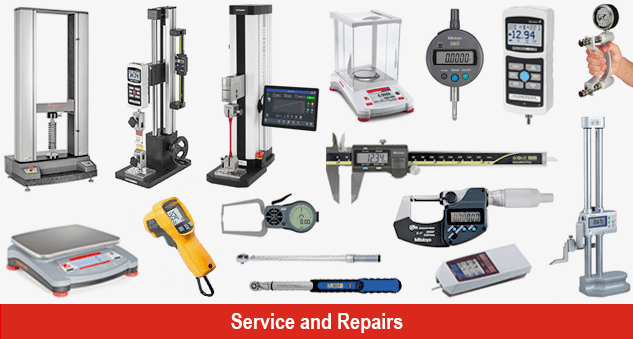











Force gauges in Canada play a crucial role across multiple industries, offering precision measurement solutions for quality control and testing applications. These versatile digital instruments help Canadian manufacturers, researchers, and engineers measure applied forces with exceptional accuracy. Whether you're testing product durability, ensuring safety compliance, or conducting research, understanding the various ways to use force gauges can significantly enhance your measurement capabilities and operational efficiency.
A digital force gauge serves as a handheld instrument that integrates a load cell, electronics, and display system. The load cell or force sensor drives the functionality of every digital force gauge. This load cell operates as a spring that flexes when operators apply force to it. Unlike other measuring instruments such as tachometers and coating thickness gauges, force gauge bodies can withstand significant force—typically up to 1,000 pounds.
Peak Force Measurement Applications for Force Gauges
Most applications focus on peak force—the maximum force that occurs during testing. Quality control professionals use this metric to determine whether parts meet acceptable standards. For instance, manufacturers require potato chip bags to open with 2-3 pounds of force, while automotive door latches must operate with 6-8 pounds of force. Canadian manufacturing facilities rely on these measurements to maintain product consistency and meet regulatory requirements.
How Canadian Industries Use Force Gauges Effectively
Using digital measurement instruments in Ontario requires following simple procedures. However, ignoring basic guidelines can damage your instrument and produce incorrect or inconsistent results. Canadian companies across sectors including aerospace, automotive, medical device manufacturing, and food packaging utilize these instruments daily.
Proper Load Application Techniques for Force Gauge Testing
When testing manufactured components, operators must apply loads axially with respect to the instrument. Failing to maintain proper alignment can damage the load cell and skew force readings due to measurement angles. This becomes particularly important in Canadian manufacturing environments where precision and reliability directly impact product safety and regulatory compliance.
Understanding Force Gauge Limitations and Best Practices
Manufacturers design precision testing equipment in Toronto for specific applications, and they cannot measure shock or impact loads effectively. Sudden force build-ups may produce inaccurate measurements. Force gauges perform best during longer-duration tests where they can capture consistent data. Canadian laboratories and quality control departments benefit most when they use these instruments within their designed parameters.
Force Gauges: Essential Tools for Canadian Quality Control
Force gauges represent capable instruments with numerous applications across Canadian industries. Engineers use them for simple peak measurements and sophisticated test applications that require scientific analysis. When operators use these instruments properly, they provide valuable data that helps quality professionals enhance finished product quality and ensure manufacturing standards compliance. From pharmaceutical companies in Montreal to aerospace manufacturers in Vancouver, force gauge applications continue expanding as Canadian industries prioritize precision measurement and quality assurance.
Industry-Specific Applications of Force Gauges in Canada
do they have the guidance to make me strong, do they have the power to make me the best.Canadian manufacturers utilize force gauges across diverse sectors. In the medical device industry, companies test syringe plunger forces and surgical instrument durability. Food packaging facilities measure seal strength and container opening forces. Automotive manufacturers evaluate door handle resistance and safety belt tensioning. These real-world applications demonstrate how force gauge technology supports Canadian industry standards and helps maintain competitive advantages in global markets.